




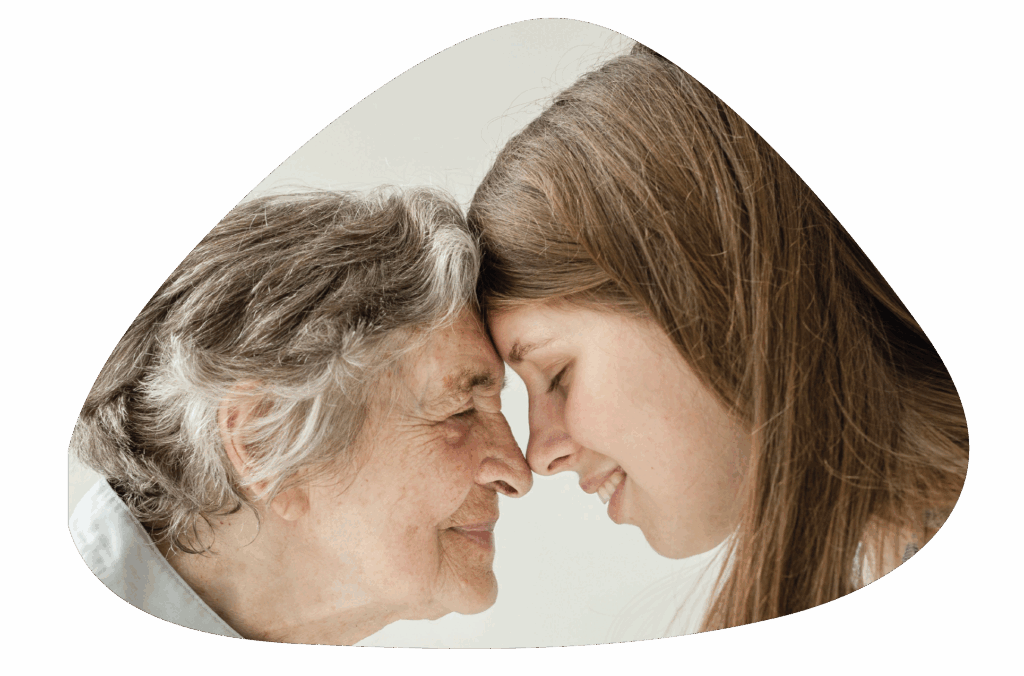
Fortify has been focusing a lot on families lately, so I’d like to start a conversation about the mental health of older adults. Whether it’s parents or grandparents, older adults experience many significant life transitions. These changes don’t have to be faced alone. Many Baby Boomers and Gen Xers were raised with the belief that mental health struggles should be kept private, that you simply “deal with it” in silence. In contrast, Millennials and Gen Z are more open about seeing therapists and prioritizing mental wellness. It’s time the older generations feel empowered to do the same. If you’re navigating challenges in your relationships with your children/grandchildren, adjusting to retirement, feeling grief, or coping with the changes that come with aging, I’m here to offer a space where you can explore your story and find support.
Common Mental Health Challenges Older Adults May Face:
- Retirement: Adjusting to a new routine, identity shifts, and changes in purpose or productivity.
- Empty Nest: Coping with the emotional impact of children leaving home, changes in family dynamics, and feelings of loneliness.
- Aging: Managing physical health changes.
- Family Relationships: Navigating evolving roles and communication with spouses, adult children, and grandchildren.
- Grief and Loss: Processing the loss of loved ones, friends, or even previous roles and life phases.
What Does Therapy for Older Adults Look Like?
Therapy for older adults is tailored to the unique challenges and experiences that come with aging. ACT (Acceptance and Commitment Therapy) has been found to be beneficial in supporting older adults. It often includes:
- Clarifying personal values and supporting individuals in taking meaningful action guided by those values.
- Mindfulness-based approaches to help manage chronic pain and health conditions commonly associated with aging.
- Improving communication skills for navigating relationships with spouses, adult children, and grandchildren.
- Creating a safe space to reflect on and process past life experiences and their lasting impact.

More Common Than You Think. Did You Know?
- 1 in 3 older adults report needing mental health support, according to the Mental Health Commission of Canada.
- The CDC reports that in 2022, the highest suicide rates were among men aged 75+ and women aged 45–64.
- In Manitoba, although 17% of the population is aged 65 and older, they represent only about 4% of therapy clients.
- Adults 65 and older are the fastest-growing demographic in Canada!
Let’s break the stigma around mental health and celebrate aging as a time of growth and reflection.
