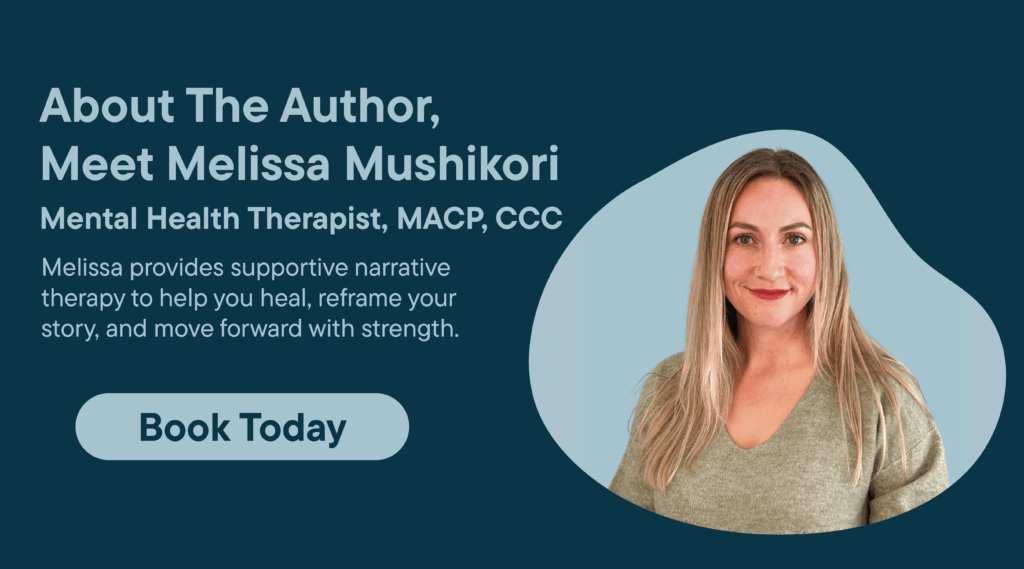





Thanks for taking the time to come and spend some time with this blog post! I am so excited to be able to connect and share some information that might be helpful to some of you out there so let’s jump right in!
In May I had the opportunity to speak at LiveWell Event at Pineridge hollow and I have to say it was such a humbling experience. I decided for the event that I wanted to share some information on something that I see coming up in my practice again and again and that is co-dependency in relationships. During my talk I saw some of the attendees nodding in agreement, taking notes, and listening attentively to what I was saying. After the talk two amazing women came up to me to share how impactful the talk was and how validated they felt hearing some of the tendencies of co-dependency. It really made me think how many individuals out there are living with this everyday and so I decided I would dedicate this blog post to that topic.
What Is Co-Dependency Exactly?
Essentially co-dependency in relationships shows up as a pattern of imbalance in relationships where one person takes on dedicating everything they do to meet the needs of their partner while simultaneously pushing their own needs to the back burner. A person who has co-dependent tendencies essentially relies on the other person in the relationship for their self-worth and happiness. Often their self-worth and perception of themselves is dependent on the validation that they are worthy by their partner.
Having elements of this in a relationship can be healthy. Setting your partner’s needs and happiness as a priority is encouraged and can contribute to a long and healthy relationship. The important thing to note is that with that must come some reciprocity as well. Both partner’s needs should be considered and prioritized and very much as to be a two-way street.
Why Is This Relationship Pattern Harmful?
For a while it can feel rewarding and self-less to put your own needs last. After all, isn’t it easier to deal with your own feelings of frustration than to have someone else frustrated with you? This is a common thought pattern of people who fall into this one-sided relationship pattern. And sure, you can coast along like this for a while but after some time what will start to happen is resentment will start grow and the tricky thing about resentment is it can come out whenever and wherever it feels like. This can cause a lot of harm to the relationship and to one’s own sense of self.
So Where Does Co-Dependency Come From?
The truth is co-dependent tendencies can come from a lot of different places but often times it starts from the formative years of childhood and teenage years. It happens when a young person is conditioned that the comfort of others is more important than their own comfort. When children are told not to act out or express emotion they are being told that their feelings are a nuisance and not valued. Another cause of co-dependency can come from children having to take on care giving roles to younger siblings when parents are absent or pre-occupied. In some cases children or teens that are forced to parent their parents or take on things that are not theirs to carry can also create the illusion that in order to be valued, and safe they need to prioritize the needs of others before their own. To do anything else will result in shaming, and further isolation. This belief can then carry on into adulthood and repeated as we come into other intimate and close relationships.

People-Pleasing or Co-Dependency?
Here’s What to Look For:
People who have co-dependent traits often refer to themselves as people pleasers. They tend to do things like:
- Apologize when they are not at fault
- Constantly worry about offending others
- Have difficulty expressing their needs and wants in a relationship for fear they will be left, replaced, or abandoned
- Rely on feeling needed in order to feel valuable and worth loving
- Obsess over their relationship and prioritize it over everything and everyone else
- Have difficulty accepting help from others
- Push themselves at work towards perfectionism and to the point of exhaustion
- Trouble saying no or setting boundaries
- Being afraid on conflict
- Supress feelings, thoughts, and beliefs and absorb others people’s in order to stay on good terms
- Low self-esteem and self worth
This is by no means an exhaustive list but if anyone resonates with even a few of these it may be possible that they do have some co-dependent tendencies.
What Can We Do To Overcome Some Of This?
The great news is that it is possible to move away from some of these patterns. The first place to start is to prioritize self-care. It might feel weird and uncomfortable at first to prioritize yourself but trust me the more it is done the easier it will become! It does not have to be anything elaborate either, it can be small things like making sure you are getting enough sleep at night, incorporating some physical activity that you like a few times a week, taking time to reflect on how you are feeling in your relationship and if you do feel fulfilled and that your needs being considered. It is all about prioritizing the things that make you feel whole and valuable.
Setting boundaries to ensure that you can engage in self-care is key. This will prevent resentment from growing which will in-turn prevent sickness, anxiety, and depression from creeping in. Your needs are important, and they matter. It is all about balance. You are so lovable and worthy of love and it is beyond possible for both you and your partner to benefit from being prioritized equally. Remember we treat others how to treat us. If our partner sees us prioritizing our own needs and feelings they will be more likely to do the same!
Think of it this way, by taking care of you and making sure that you are happy and fulfilled, you are preventing resentment from growing. In turn, you are preventing that resentment from being misdirected in the form of anger and blame and in the long run actually setting the stage for a more healthy and fulfilling relationship. You deserve to be happy and validated just as equally as your partner and so I would really like to challenge my readers to prioritize their self care today, even if you start with something small. The first step is always the hardest and once you see you can do it, the next one will come that much easier.
It takes all members of the relationship to do their part to make the relationship healthy and satisfying. One person should not have to shoulder all the responsibility and if all members of the relationship ensure they are prioritizing themselves by setting healthy boundaries and prioritizing self-care they will be able to show up to the relationship as the best version of themselves.
Start Showing Up For You
If any of this resonated with you, I invite you to start small maybe that’s saying no without guilt, setting a boundary, or taking 10 quiet minutes just for you. And if you’re ready to dig a little deeper, working with a therapist can be a powerful next step. You don’t have to navigate co-dependency or people-pleasing patterns alone, support is available, and healing is absolutely possible. You are worthy of love, rest, and reciprocity. Therapy can help you reclaim that, one step at a time.