





When you think about the role of the gut aka our digestive system what is the first thing that comes to mind? You might say that it helps us digest what we eat so we get the nutrients to help us function. But did you know that our digestive system carries a bigger role for many other systems in our body! And this includes the brain. So what is the connection between the brain and the gut? Let’s find out!
How does it work?
Have you ever had or heard someone say they had a “gut feeling”? or felt “butterflies in your stomach”? These are all examples of our brain and gut communicating with each other1. More information is passed between the brain and the gut than any other system in the body 1. Their discussions can influence hunger and fullness, digestion, immunity, food preferences and cravings, mood, and so much more1.
The communication between the gut and brain goes in both directions, so health or disease in the gut can affect the brain and vice versa1.
There are 3 main players in this connection:
1) The Enteric Nervous System (ENS)
- This is a neural network with 200-600 million neurons1,2in the gastrointestinal tract that controls digestive functions1. It can operate in conjunction with and independently from the central nervous system (in the brain and spinal cord) – this is why some scientists call it a “second brain”1!
2) The Vagus Nerve
The Vagus nerve starts in the cranium and sends branches as it travels down the body1. It is the main link between the ENS and the brain and it sends information about what is going on in the gut, and the brain will respond signals in return1. We call this the “gut-brain axis”3.
3) The Gut Microbiome
In our digestive system there is a microscopic world, an ecosystem called the “gut microbiome” where trillions of microorganisms live!4 These include over a thousand species of bacteria, viruses, fungi, parasites4 and is unique to each person. (Sounds creepy but is totally normal and needed!) While there is still a lot of research going on in this field, we do know some things. First, in the digestive system some of their roles include: helping break down certain complex carbohydrates and dietary fibers, producing byproducts that help keep the gut environment healthy, and providing enzymes that we need to make certain vitamins like Vitamin K4.
In the immune system helpful microbes train the immune system to tell good microbes from unhelpful ones4. Also, the gut is the largest immune system organ containing up to 80% of the body’s immune cells!4 The gut microbes can also affect the nervous system via the gut-brain axis and through its production of neurotransmitters like serotonin (one of the happy hormones) that sends chemical signals to the brain4. So, when the microbiome is off-balance it can communicate the wrong messages to the brain and body called dysbiosis (the imbalance in the gut microbiome) and has been linked to digestive issues, heart disease, inflammatory diseases, anxiety, depression, and others5.
The link between gut health and mental health
So what is the connection between gut health and mental wellness? Sometimes our digestion can change when our mood does. Our gastrointestinal system is sensitive to emotions like anger, sadness, anxiety etc., all of these can trigger symptoms in the gut 6. Remember the gut microbiome can be involved in the synthesis of neurotransmitters (NTs) and vitamins that are helpful for mood regulation and mental health7. For example, serotonin (a happy hormone), GABA (has calming effects), dopamine (involved in reward and mood)4,7. The gut microbiome has impact on essential body functions like digestion, muscle relaxation, nutrient absorption, hormonal balance, inflammation levels, and metabolic health. And all of these can influence our mental health and overall wellness7.
There have been associations shown in research between gut dysbiosis and mood disorders like depression – this is because dysbiosis can disrupt the production of NTs and may trigger low-grade inflammation that can be chronic which is often seen in stress-related psychiatric disorders7. And when we have a healthy gut microbiome it can make beneficial products which can reduce those molecules causing inflammation7. Another way the gut-brain connection affects mood is through the vagus nerve, 80-90% of the neurons in the vagus nerve send messages from the gut to the brain and 10-20% depart from the brain to control muscles in the gut8. So this is another way digestive problems can lead to anxiety and stress8.
So due to the close connection between the gut and the brain we can see how digestive distress can be the cause or the product of anxiety, depression, or stress6.
Practical strategies and habits to support gut, mood and sleep
We know a connection exists now but how can we put this into action? While the science behind it sounds complicated, the ways we can support a healthy microbiome are thankfully easy to implement!
1. Nutrition
What we put in our gut is the easiest and fastest way to influence our gut microbiome. So by giving the gut microbiome what it needs to thrive, it then helps to take care of us through the gut’s connection to the brain and other organs9.
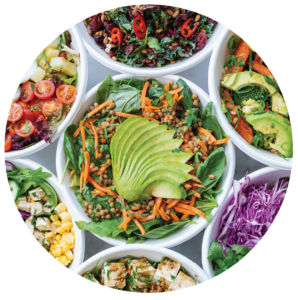
Eat more whole foods and plants: These contain more nutrition per calorie than processed foods, less additives, sweeteners, and saturated fats, have soluble and insoluble fibre (to help with bowel movements and feeding helpful microbiota), contain natural probiotics (to increase diversity of the microbiome and lower inflammation)5, and prebiotics (to feed live bacteria)7. These foods often have antioxidants to prevent inflammation and less sugar (that feed the harmful bacteria)1.
Limit your intake of these: Foods that can harm the microbiome like alcohol, red and processed meat, sugar, artificial sweeteners and large amounts of ultra-processed foods5, 9. Ultra-processed foods include soft drinks, chips, chocolate, candy, ice-cream, sweetened breakfast cereals, packaged soups, chicken nuggets, hotdogs, fries and more (often high in sugar and fat and low in nutrients and fiber)9,10. For some people (not all) this might also mean removing inflammatory foods like gluten and dairy too7. It might sound like a big task to modify your diet but making small changes can create a big impact.
Probiotics: Probiotics via fermented foods can provide a diverse group of microorganisms and when eaten as part of a whole meal there is a synergy with other food components11. Not all fermented foods have probiotics, so when identifying probiotic foods, look on the labels for terms like ‘live cultures’ or ‘active cultures’ 11. Probiotics can also come in supplement form, however these usually contain specific strains and amounts and are usually for a particular ailment, so before taking a probiotic supplement talk to your healthcare provider on which one would be right for you and your condition (to avoid causing dysbiosis5).

2. Regular physical activity
Another strategy to support a healthy gut microbiome and subsequently support mental health and promote optimal mood is regular exercise!7 Exercising regularly can alter the microbiome and make it healthier and it may also positively impact brain neurochemistry7 and lower risk of heart disease5.

3. Stress Management
Because we know that what is going on our brain can impact our digestion, we can also work on gut health from the brain as well. High levels of chronic stress can change the microbiome, including reducing the good bacteria5. Thus, stress reduction techniques can have beneficial effects on anxiety, and inflammatory activity, which can potentially impact the gut-brain connection7. Examples of techniques that can help manage stress levels and support a healthier gut-brain connection include: deep breathing exercises, mindfulness meditation7, taking regular breaks to do things you enjoy, walking outdoors in nature, watching a funny video, meeting a friend, or doing a hobby that you love5.

4. Sleep
Also important for gut health and overall wellbeing is quality sleep7. For most adults to support overall mental health and maintain a healthy gut microbiome it is advised to get 7-8 hours per night7. We can support better sleep by improving sleep hygiene5, taking certain pre and probiotic supplements, improving nutrition, exercising, and implementing stress management techniques12.
5. Herbal Supplements
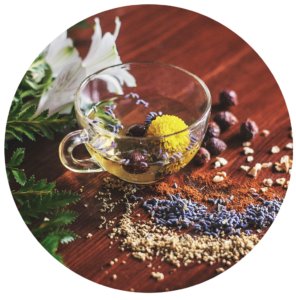
There are some herbal supplements that have shown promise with supporting gut health and mood. For example Ashwagandha, Rhodiola, and Saffron have showed benefits in mood, stress, and anxiety7. These should be selected and taken under the guidance of a professional who knows your history and particular concerns.

6. Other ways
Some healthcare providers might treat disorders of the gut and brain in other ways like Cognitive Behavioural Therapy and Biofeedback1.
The take away? The parts of our body are more connected than you think!
In summary gut health and mood are interconnected through nerves and chemical signals. If you have a condition that affects your brain or digestive system it could involve the other. So we can approach it from both sides. Which is kind of great because when you do something for one like working on better sleep hygiene, you are inevitably helping the gut too! Or when you eat to support your microbiome, you are helping your mental and emotional health as well! So, making intentional choices every day in our diet and lifestyle can make a huge difference over time, in our gut and by extension our mind and vice versa.
Look after your gut and it will look after you!

References:
1) https://my.clevelandclinic.org/health/body/the-gut-brain-connection
2) https://pubmed.ncbi.nlm.nih.gov/24997029/
3) https://pmc.ncbi.nlm.nih.gov/articles/PMC4367209/
4) https://my.clevelandclinic.org/health/body/25201-gut-microbiome
5) https://www.heartandstroke.ca/articles/nurturing-your-gut-brain-connection-for-whole-body-health
6) https://www.health.harvard.edu/diseases-and-conditions/the-gut-brain-connection
7) https://www.rupahealth.com/post/nurturing-your-gut-nurturing-your-mind-the-key-connection-between-gut-health-and-improved-mental-well-being
8) https://www.healthinsight.ca/wellness/gut-health/the-brain-gut-connection-cdhf/
9) https://cdhf.ca/en/ways-our-mind-and-gut-are-connected/
10) https://www.heartandstroke.ca/articles/what-is-ultra-processed-food
11) https://lifestylemedicine.stanford.edu/probiotics-prebiotics-and-postbiotics-what-are-they-and-why-are-they-important/
12) https://www.rupahealth.com/post/is-poor-sleep-quality-affecting-your-digestion
Note on GI Conditions and Disorders
It is important to note that sometimes there can be conditions that are more serious like ulcerative colitis or diverticulitis that require more specific interventions than what is mentioned above. Thus, in all cases it is recommended that you consult a professional to do a thorough assessment and coordinate any investigations before implementing any new treatments.
This article is for educational purposes only and not meant to give medical advice. Always consult a healthcare professional before trying something new.