





Living an active lifestyle is incredibly rewarding, but pushing your body to its limits comes with a catch. Whether you are lifting weights, running trails, or practicing yoga, working out can sometimes stress your muscles past their normal capacity. When you push hard, your body responds and not always in ways that feel great the next day. If you have been feeling unexplainably stiff or noticed your progress stalling, you might be dealing with fascial adhesions and trigger points.
Let’s dive into how professional trigger point therapy and a solid home self-care routine work together as the ultimate team to keep you moving at your best.
But First, What are Trigger Points?
The Hidden Cost of Pushing Your Limits
When muscles are stressed past their capacity, it often leads to the formation of trigger points (highly contracted knots in the muscle tissue) and adhesions in the fascia. A trigger point is a highly sensitive spot within a taut band of skeletal muscle. While they’re often described as “muscle knots,” they aren’t literally a knot tied in the muscle. Instead, a trigger point a small region where muscle fibers remain in a prolonged state of contraction. Normally, muscle fibers contract and relax in response to signals from the nervous system. In a trigger point, some fibers appear to stay shortened longer than they should.
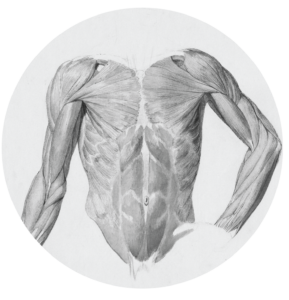
Fascia is a continuous sheet of connective tissue that surrounds and connects nearly every structure in the body. Healthy fascia is flexible and allows neighbouring tissues to glide smoothly over one another during movement. While these restrictions are often referred to as fascial adhesions. In many cases, the tightness people experience is more likely related to increased muscle tension, reduced tissue mobility, and heightened nervous system sensitivity rather than fascia being physically “stuck.”
These tight areas can cause a domino effect of physical setbacks, including persistent pain and muscle stiffness, muscle weakness and lower athletic performance,decreased circulation of both blood and lymph fluid, and incomplete recovery leading to an increased susceptibility to injuries. When your circulation is compromised and your recovery is incomplete your fitness goals suddenly feel like an uphill battle.
This is where professional intervention comes in. Scheduling regular trigger point massage and myofascial release with a qualified therapist is one of the best investments you can make for your body. A targeted massage actively works to remove trigger points, breaking up those stubborn painful knots directly at the source. This boosts circulation, restoring proper blood and lymph flow to deliver oxygen and nutrients to tired tissues. It also enhances Range of Motion (ROM) & improves flexibility, loosening tight fascia so your joints can move freely. Trigger point and deep tissue massage also increase strength and endurance, helping muscles contract and fire efficiently again, while at the same time accelerating healing, speeding up your recovery time, and actively preventing future injuries.

Bringing Self-Care Into the Mix
While regular professional massages are foundational, what you do between appointments matters just as much. To keep trigger points and adhesions from locking back up, daily self-care is an absolute necessity. Think of your massage therapist and your self-care habits as a collaborative team working for your long-term wellness.
Here are four essential self-care habits that you should integrate into your routine:
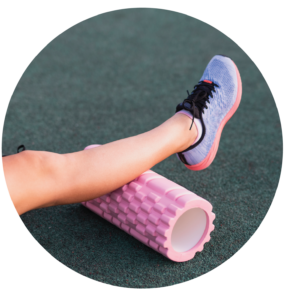
1. Post-Workout Foam Rolling
Don’t wait until you are completely sore to address muscle tightness. Engaging in foam rolling immediately after an event or an intense workout can stop adhesions from setting in, preventing problems before they start.
 2. Strategic Stretching (Timing is Everything!)
Stretching is vital, but when you do it matters immensely. Static stretching before exercise can actually cause a temporary decrease in muscle strength and power, while simultaneously increasing your risk of injury. Prioritize proper stretching after your workout. Save the deep stretches for your cool-down!

3. Hydration for Muscle Elasticity
Muscles need water to function like pliable rubber bands rather than stiff jerky. Consistent hydration is critical to keeping your muscle tissues elastic, resilient, and fundamentally healthy.
 4. Optimize Muscle Metabolism with Micronutrients
Your muscles require specific vitamins and minerals to generate energy and recover cleanly. Ensure your nutrition plan includes adequate levels of the following key nutrients:
Calcium (Cal) & Magnesium (Mag): Crucial for proper muscle contraction and relaxation cycles.
Eat more: Dairy, leafy greens, seeds, nuts and beans
Potassium (Pot): Supports cellular fluid balance and prevents cramping.
Eat more: Bananas, sweet potatoes and avocados
Vitamin D (Vit D): Essential for overall bone health, muscle metabolism, and immune function.
Eat more: Fish, eggs and dairy
Achieving a vibrant, active lifestyle isn’t just about how hard you can push, it’s about how well you can recover. By pairing the targeted expertise of professional trigger point massage with disciplined daily self-care habits, you give your body the exact tools it needs to perform stronger, move further, and stay injury-free.